
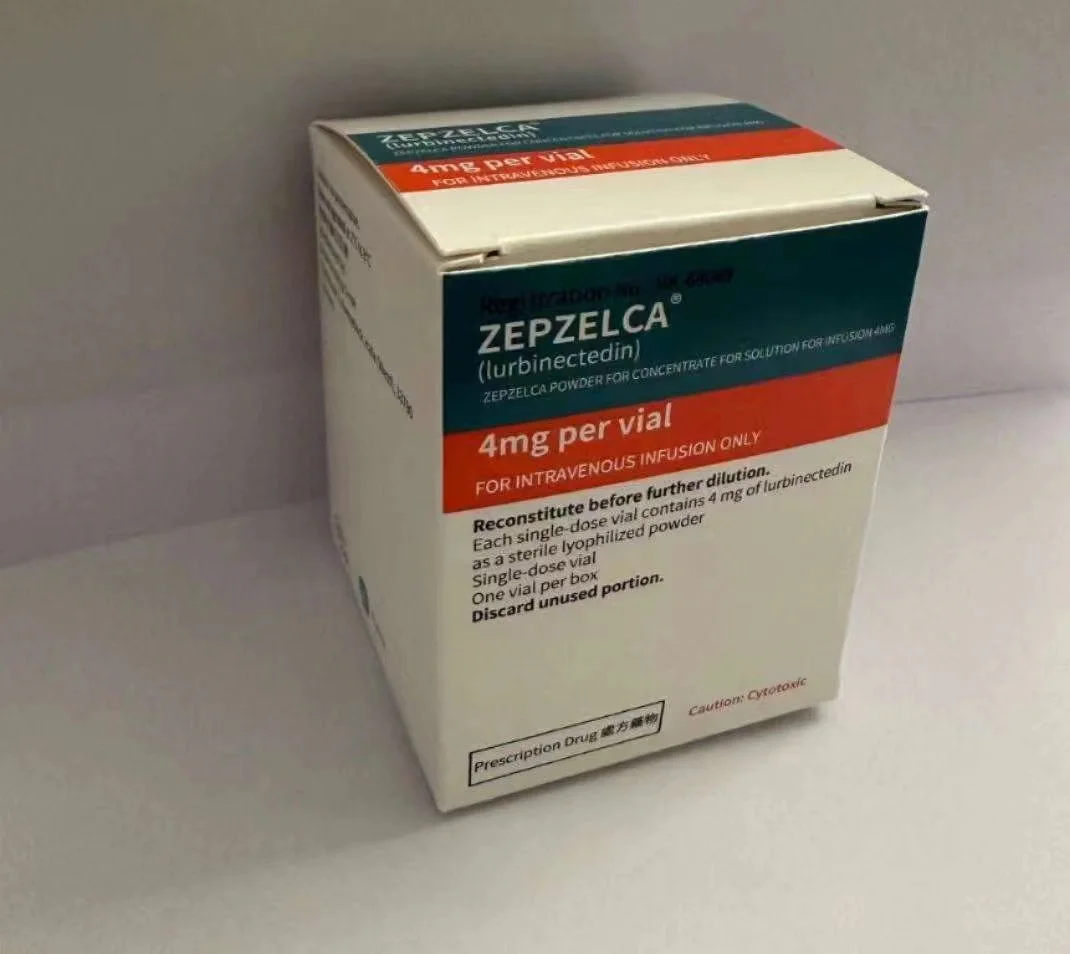
Lurbinectedin is a novel anticancer drug primarily used to treat metastatic small cell lung cancer (SCLC) and is also being studied in clinical trials for other solid tumors. It is an RNA polymerase II inhibitor that interferes with the transcriptional process in tumor cells, inducing apoptosis. It has been approved for specific indications in the United States and other regions and should be used strictly in accordance with a physician’s instructions.
1. Drug Class and Mechanism of Action
Class: Lurbinectedin is an alkylating anticancer drug that inhibits RNA polymerase II activity by binding to DNA, blocking the transcriptional process in tumor cells, leading to DNA fragmentation and cancer cell death.
Properties of Action: It selectively targets oncogenic transcriptional programs in the tumor microenvironment, with relatively minimal effects on healthy cells.
2. Indications and Clinical Applications
Main Indications:
Small Cell Lung Cancer: For second-line treatment of recurrent small cell lung cancer that has progressed after platinum-based chemotherapy.
Exploratory Indications: It has shown promising results in clinical trials for solid tumors such as breast cancer, ovarian cancer, and sarcomas. Dosage: Intravenous injection. The dose should be adjusted based on the patient’s body surface area and tolerance.
3. Precautions
Prescription Drug Specifications: Use under the guidance of an oncologist. Do not adjust the dose or discontinue the drug on your own.
Contraindications: Contraindicated in individuals with allergies to the ingredients, severe hepatic or renal insufficiency, and pregnant or lactating women.
Monitoring Requirements: Regular blood count and liver and kidney function tests are required during treatment to assess for risks such as bone marrow suppression.
4. Common Side Effects and Management
Hematologic Reactions: Neutropenia and anemia (incidence approximately 40%), requiring support with leukopenia injections or blood transfusions.
Gastrointestinal Reactions: Nausea and vomiting (20-30%), which can be relieved with antiemetics.
Other Reactions: Fatigue and decreased appetite, which are usually transient and require treatment discontinuation in severe cases.
5. Research and Development Progress and Limitations
Research Status: Multiple Phase III clinical trials are underway to explore its efficacy in combination with chemotherapy or immunotherapy. Limitations: Long-term efficacy and mechanisms of drug resistance remain to be determined, and some patients may not be able to tolerate treatment due to side effects.
If you require rubicin, please consult a reputable oncology department for a personalized treatment plan based on your medical evaluation. If symptoms such as fever, bleeding tendency, or difficulty breathing occur during treatment, seek medical attention immediately.
See more



Let us work together to protect precious health