
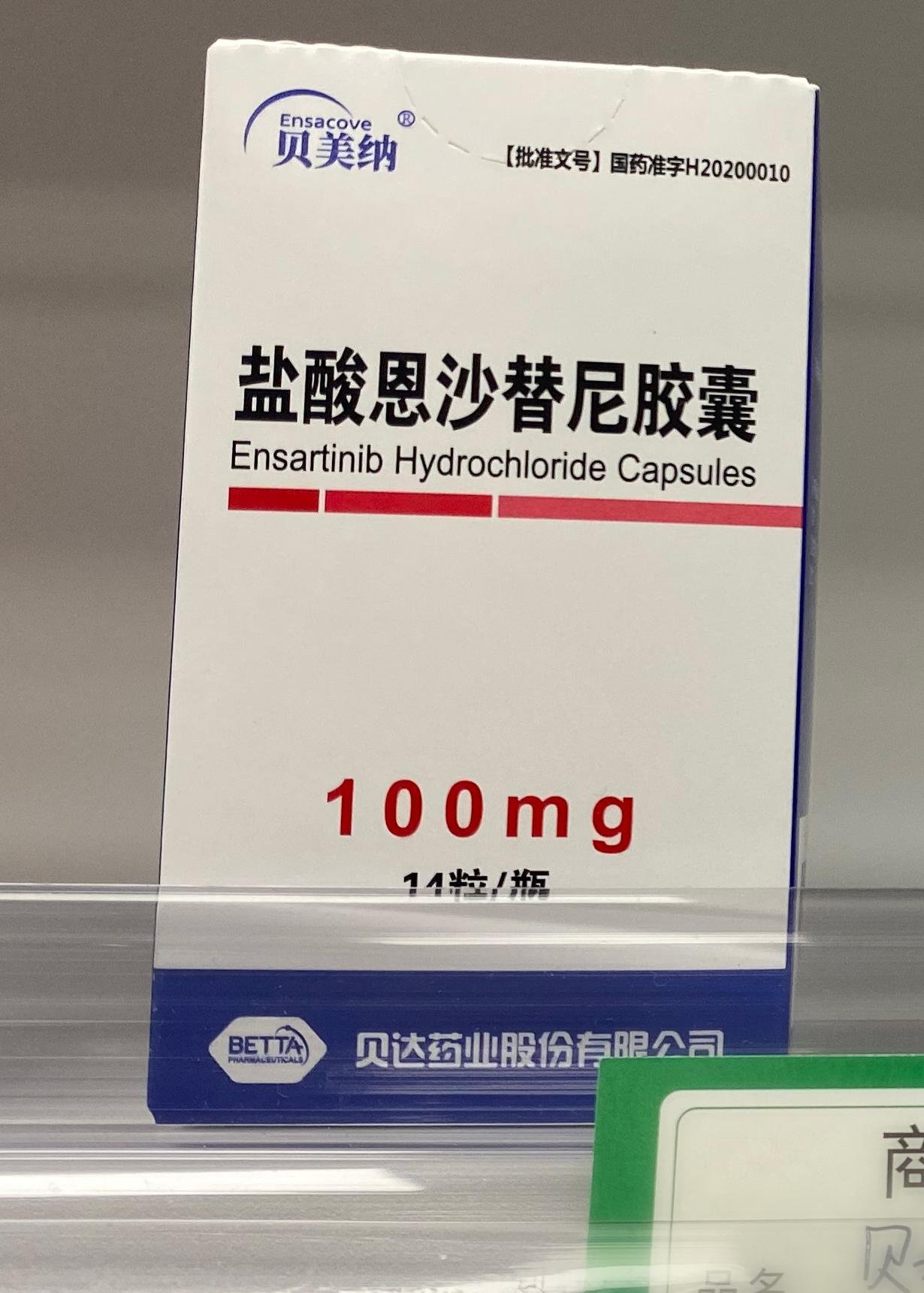
Ensartinib is a targeted drug that targets specific gene mutations and is primarily used to treat ALK-positive non-small cell lung cancer (NSCLC). It inhibits ALK protein activity, blocking cancer cell growth signals and thereby slowing tumor progression. It is indicated for second-line treatment of locally advanced or metastatic lung cancer. Common side effects include rash and fatigue, and it should be used under a physician’s supervision.
Indications and Mechanism of Action
Ensartinib is an ALK inhibitor that targets abnormal protein kinase activity caused by ALK gene rearrangements within tumor cells. This gene mutation occurs in approximately 3%-7% of patients with NSCLC and is a relatively rare driver mutation. The drug precisely binds to the ALK protein, preventing it from activating downstream signaling pathways, thereby inhibiting cancer cell proliferation and metastasis. Clinical studies have shown a high tumor control rate in ALK-positive patients, and is particularly effective for patients who have progressed after or are intolerant to crizotinib.
Clinical Use and Efficacy
Second-line Treatment: Currently, ensartinib is primarily indicated for patients who have failed prior ALK inhibitor therapy. Studies have shown that its objective response rate (ORR) can reach 50%-70%, and its median progression-free survival (PFS) is approximately 9-11 months, significantly superior to some traditional chemotherapy regimens.
Administration and Dosage: It is usually administered as an oral capsule. The recommended dose is 225 mg/day, and it should be taken on an empty stomach to enhance absorption. If serious adverse reactions occur, your doctor may adjust the dose or suspend the medication.
Safety and Precautions
Common Side Effects: These include rash, nausea, diarrhea, and fatigue, most of which are mild to moderate. Approximately 10%-20% of patients may experience abnormal liver function, and transaminase levels should be monitored regularly.
Serious Risks: A small number of patients may develop interstitial lung disease (ILD) or bradycardia, requiring immediate discontinuation of the drug and symptomatic treatment.
Contraindications and Precautions: It is contraindicated in patients with allergies to the drug components. Patients with impaired liver function or underlying heart disease should use it with caution and undergo intensive monitoring. Research Progress and Outlook
Currently, clinical studies are exploring ensartinib as a first-line treatment option. Preliminary data indicate that its efficacy is comparable to that of existing drugs. Furthermore, combination therapy with immunotherapy or other targeted agents is also under investigation, potentially further enhancing efficacy. Patients should undergo genetic testing to confirm their ALK mutation status before starting treatment, and a treatment plan should be tailored to their individual circumstances.
In summary, ensartinib provides an important treatment option for patients with ALK-positive lung cancer. However, its use requires strict adherence to medical advice and regular evaluation of efficacy and safety to ensure maximum therapeutic benefit.
See more





Let us work together to protect precious health